Metal Roof Replacement in Van Alstyne from $800. Common on rural Grayson County property, and priced on geometry rather than area. Free inspection and a written quote.
Worth checking before you commit: a lot of newer subdivisions have covenants about roofing materials and finishes, and metal is the one most likely to run into them. That is a question for the community association rather than for us, and it is cheaper asked first.
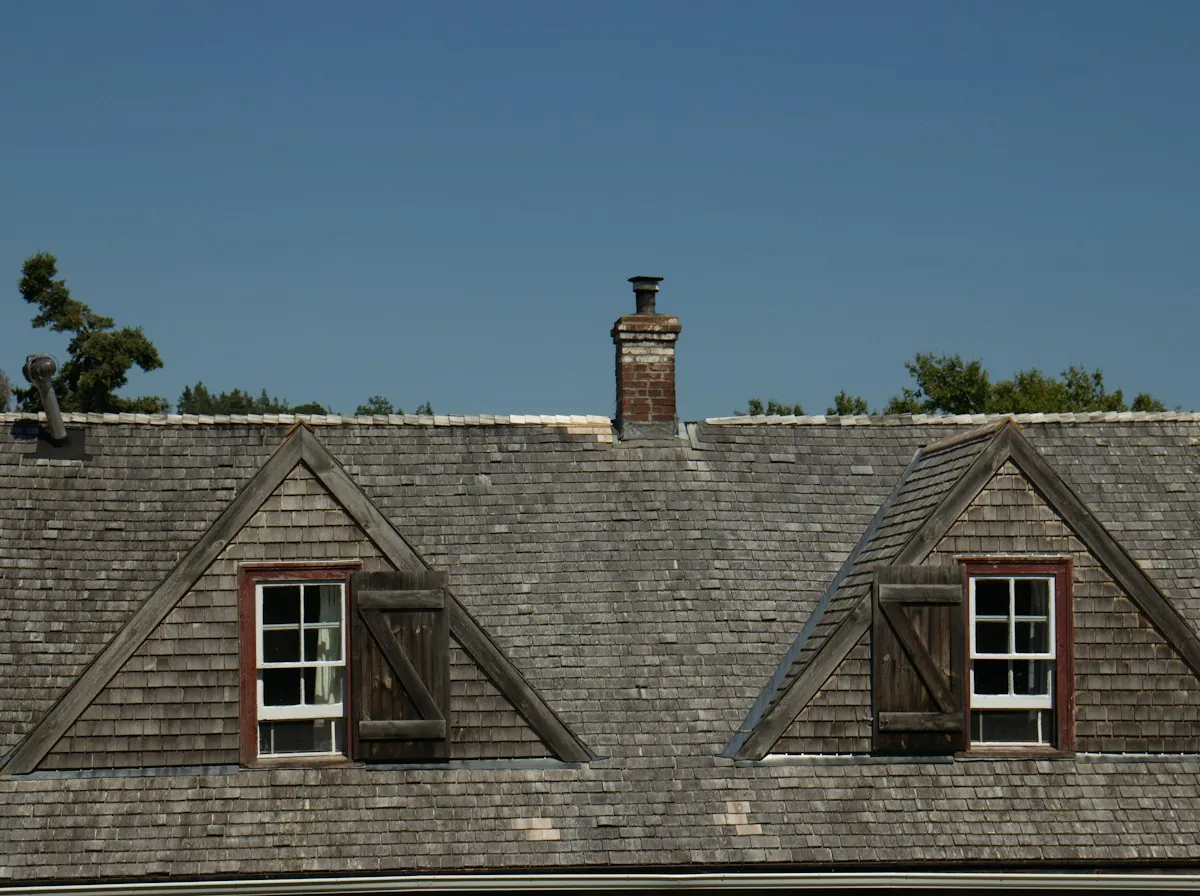
Standing seam and exposed-fastener metal are both normal on acreage and outbuildings around here, and both outlast asphalt by a wide margin. What they do not do is come cheap on a complicated roof: every valley, dormer and penetration is a detail formed by hand, and the labor is most of the cost.


Metal is the one covering on this site that cannot honestly be quoted by the square, because the cost is in the detail rather than the field. Every valley, dormer and penetration is formed by hand. On a long simple run it is competitive with a good asphalt roof over its life; on a cut-up roof it is not close. Nearly everything here is recent, so the cost driver is what the builder specified rather than what the roof has been through. A tract-standard three-tab and a Class 4 roof on identical houses are $3,000 apart and age identically differently.
Exposed-fastener panels are screwed through the face with washers that perish and need periodic replacement. Standing seam hides its fixings under the seam, costs considerably more and asks for far less attention over thirty years.
Which is cosmetic on a barn and much less so on a house elevation you look at daily. Worth deciding how much that matters before it is installed rather than after the first storm.
A full re-screw -- replacing every perished washer and fastener -- is a fraction of a re-roof and is frequently the right call on a panel that is otherwise sound. We will say when that is what you actually need.
New housing means new roofs, which changes the likely answer. A leak on a roof under ten years old is almost always a detail or a workmanship issue -- a flashing, a penetration, a valley -- rather than age. Where hail is involved it is worth establishing whether the builder's shingle was Class 4 or the cheapest option.
It is the most common reassurance offered in this market and it is hollow by construction. Here is what to ask instead.
The Texas Department of Licensing and Regulation licenses electricians and HVAC technicians. It does not license roofers, and no other state body does either. So there is no license number to check, and a contractor offering one is describing something that does not exist.
It is what gets the work inspected, which is the only independent confirmation you will ever get that the specification you paid for is the one that went on. A contractor who would rather skip it is telling you something.
The Roofing Contractors Association of Texas runs a voluntary program. It is not a license and we will not pretend it is one -- but in a state that requires nothing, what somebody has volunteered for is more informative than what they were made to do.
Nearly everything here is recent construction, which makes the useful question specific: what shingle did the builder actually fit? A tract-standard three-tab on a hail-exposed roof is a shorter life than the house has, and knowing that early turns a surprise into a plan..
New-build roofs are where this decision is most often made badly, because it was made by the builder rather than by you.
A new roof can absolutely be hail-damaged, and homeowners here frequently assume otherwise because the house is recent.
On a recent build the shingle is whatever the builder specified and the installation is whatever the crew did that week.
New construction flat sections are usually small, well detailed and sound -- so a leak on one is almost always a penetration that was sealed rather than flashed.
The one place here with a City registration rule.
Older stock: board decking, valleys, dormers.
Splits by age. The newer roofs have seen hail already.
Metal country, and the two systems are not the same.
Lake exposure, and houses nobody is in to notice.
Small simple roofs. Price should track area here.
Acreage. The barn is usually the worse roof.
What is worth knowing before you book this.
Exposed-fastener is cheaper up front and comes with a maintenance obligation: the washers perish and need periodic replacement. Standing seam hides its fixings under the seam, costs considerably more and asks for almost nothing over thirty years. On a house, standing seam is usually the better purchase.
Usually not. Metal dents rather than bruising, and a dented panel is generally still perfectly watertight. What matters is whether the coating has been broken -- because that corrodes outward from the strike point -- and whether any fastener washers were struck.
Not from the ground. Hail damage on asphalt is bruising -- the impact fractures the mat under the surface and knocks granules loose -- so it is felt rather than seen. Three pieces of evidence settle it: the slopes checked by hand, the soft metal (vents and flashings dent before shingles bruise), and granule loss in the gutters.
Get a second opinion before you sign anything, and ask whether they are registered with the City of Sherman. A hail line damages thousands of roofs in twenty minutes and brings out-of-town crews into the county for the season. Some are perfectly competent; the check costs you nothing and it is the only one available in a state with no license.
One to three days on site for a typical house, three to seven for metal, and one to two for a small simple roof. Weather moves all of it and we will not dry-in a roof we cannot finish. After a storm line the queue is the longer part rather than the work.
City of Sherman registration stated -- Texas issues no license. Standard and Class 4 priced side by side, not one of them.