Metal Roof Replacement in Denison from $800. Common on rural Grayson County property, and priced on geometry rather than area. Free inspection and a written quote.
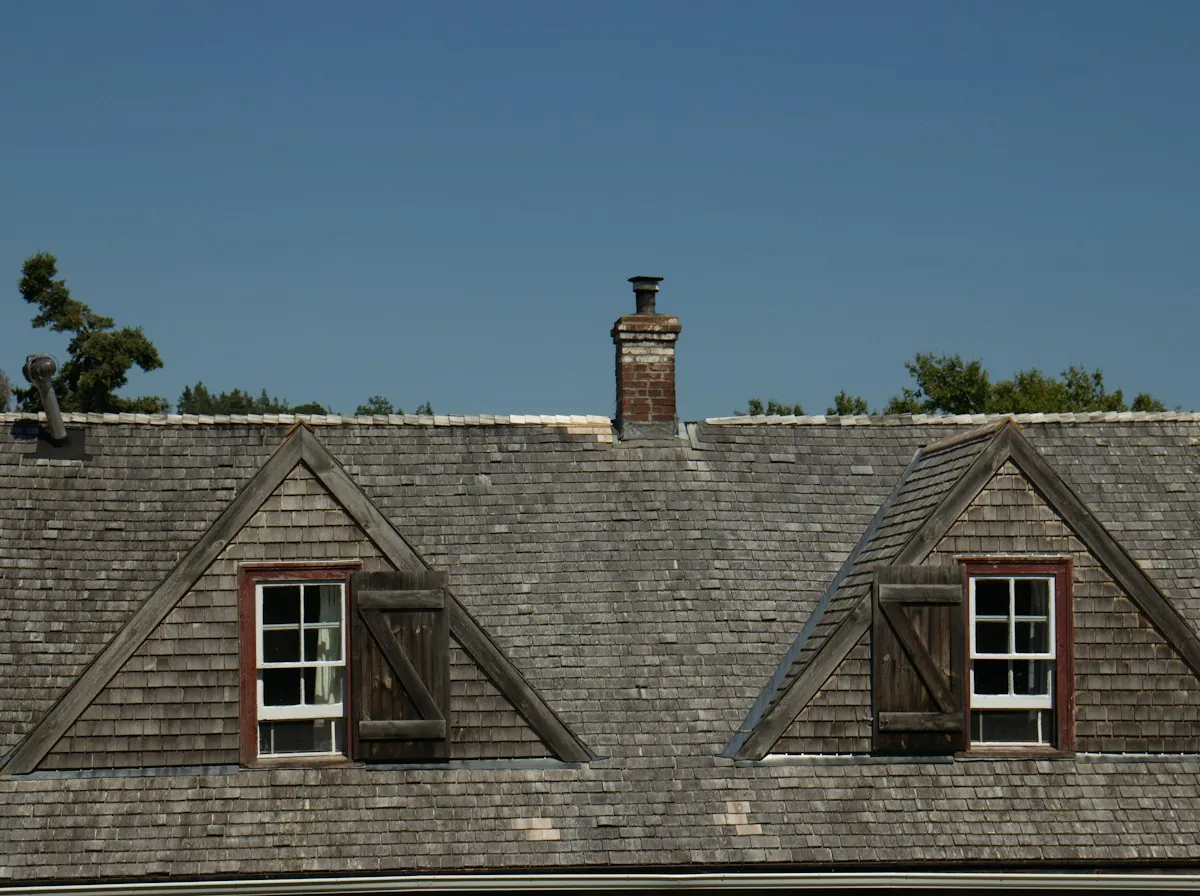
Older Denison houses are exactly the geometry metal is worst suited to -- multiple planes, dormers, valleys, sometimes a turret. It can be done and it is expensive, and anybody quoting it at close to asphalt money on a roof like that has left something out.
Standing seam and exposed-fastener metal are both normal on acreage and outbuildings around here, and both outlast asphalt by a wide margin. What they do not do is come cheap on a complicated roof: every valley, dormer and penetration is a detail formed by hand, and the labor is most of the cost.


Metal is the one covering on this site that cannot honestly be quoted by the square, because the cost is in the detail rather than the field. Every valley, dormer and penetration is formed by hand. On a long simple run it is competitive with a good asphalt roof over its life; on a cut-up roof it is not close. Expect the upper half of the range on the older streets. Board decking rather than plywood, and roof shapes with more valleys and dormers per square foot, are both labor rather than area -- so a Denison price will not track square footage the way a newer roof does.
Exposed-fastener panels are screwed through the face with washers that perish and need periodic replacement. Standing seam hides its fixings under the seam, costs considerably more and asks for far less attention over thirty years.
Which is cosmetic on a barn and much less so on a house elevation you look at daily. Worth deciding how much that matters before it is installed rather than after the first storm.
A full re-screw -- replacing every perished washer and fastener -- is a fraction of a re-roof and is frequently the right call on a panel that is otherwise sound. We will say when that is what you actually need.
Older housing brings two things Sherman's newer neighborhoods do not: board decking rather than plywood on the oldest streets, and roof shapes with more valleys and dormers per square foot. Both are labor rather than area, so a Denison quote priced on square footage alone will be wrong. Permits go to the City of Denison.
It is the most common reassurance offered in this market and it is hollow by construction. Here is what to ask instead.
The Texas Department of Licensing and Regulation licenses electricians and HVAC technicians. It does not license roofers, and no other state body does either. So there is no license number to check, and a contractor offering one is describing something that does not exist.
It is what gets the work inspected, which is the only independent confirmation you will ever get that the specification you paid for is the one that went on. A contractor who would rather skip it is telling you something.
The Roofing Contractors Association of Texas runs a voluntary program. It is not a license and we will not pretend it is one -- but in a state that requires nothing, what somebody has volunteered for is more informative than what they were made to do.
Older housing changes the arithmetic.
On an older Denison roof with a high valley count, the Class 4 premium lands on a bigger number to begin with, because the detail work is already pushing the price up.
On older roofs the hardest part is separating hail damage from age.
Older Denison roofs bring two questions before the product.
Older commercial frontages in Denison carry the genuine flat roofs on this site: larger areas behind parapets with internal drainage, and a business trading underneath.
The one place here with a City registration rule.
Splits by age. The newer roofs have seen hail already.
Almost all new build. What did the builder fit?
Metal country, and the two systems are not the same.
Lake exposure, and houses nobody is in to notice.
Small simple roofs. Price should track area here.
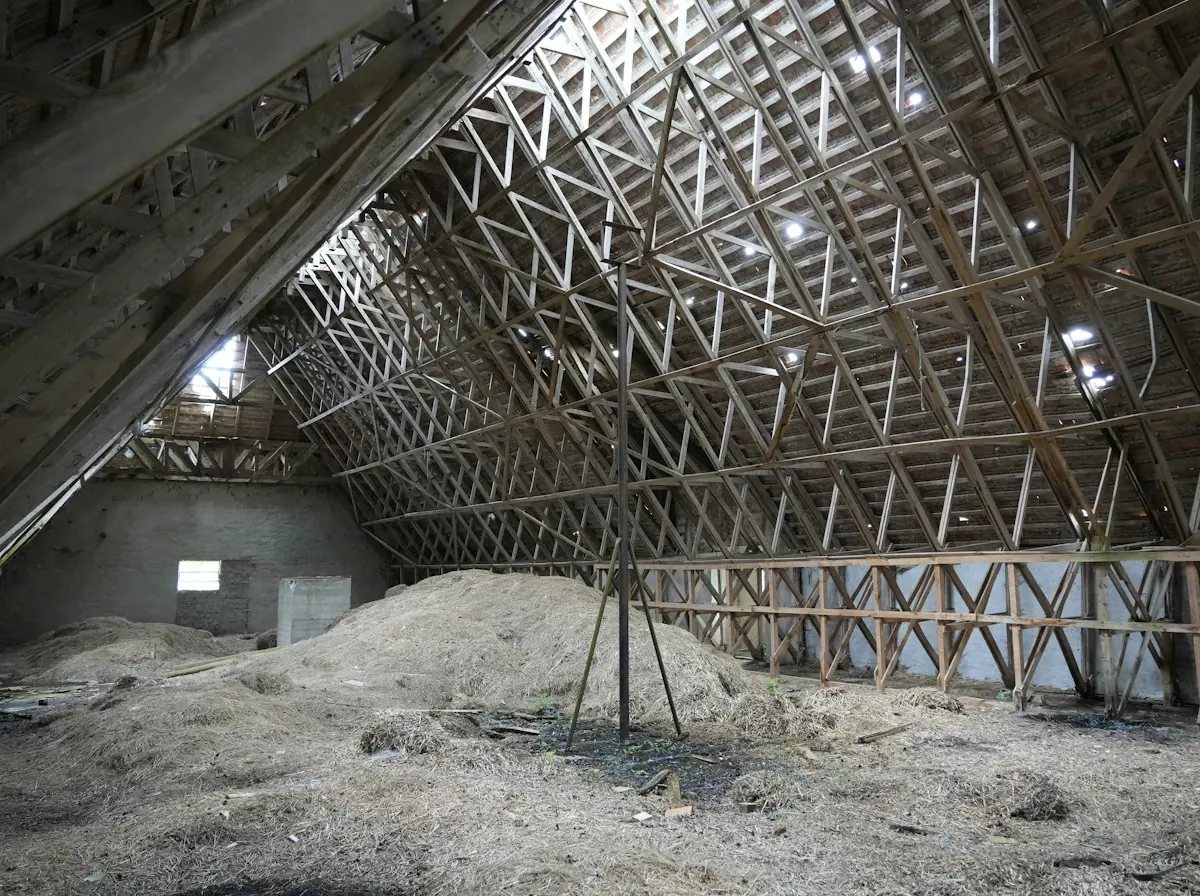
Acreage. The barn is usually the worse roof.
What is worth knowing before you book this.
Exposed-fastener is cheaper up front and comes with a maintenance obligation: the washers perish and need periodic replacement. Standing seam hides its fixings under the seam, costs considerably more and asks for almost nothing over thirty years. On a house, standing seam is usually the better purchase.
Usually not. Metal dents rather than bruising, and a dented panel is generally still perfectly watertight. What matters is whether the coating has been broken -- because that corrodes outward from the strike point -- and whether any fastener washers were struck.
Texas prices asphalt by the square -- a hundred square feet. Three-tab installs at $350 to $500 per square and Class 4 impact-resistant at $500 to $800, with North Texas typically $500 to $750 for Class 4. A 2,000 square foot roof is twenty squares. The Sherman permit is $75.
It depends on how long you intend to own the house, not on the roof. Class 4 is the top UL 2218 rating -- a two-inch steel ball dropped twice on the same spot without cracking the mat -- and costs 15 to 25% more, roughly $1,500 to $3,000 on a typical home. Over twenty years in this county the arithmetic favors it comfortably. Over five it does not, and we will say so.
Get a second opinion before you sign anything, and ask whether they are registered with the City of Sherman. A hail line damages thousands of roofs in twenty minutes and brings out-of-town crews into the county for the season. Some are perfectly competent; the check costs you nothing and it is the only one available in a state with no license.
City of Sherman registration stated -- Texas issues no license. Standard and Class 4 priced side by side, not one of them.