Impact Resistant Roof Replacement in Van Alstyne from $500. UL 2218 Class 4 at $500 to $800 a square -- and an honest answer about whether it is worth it for you. Free inspection and a written quote.
New-build roofs are where this decision is most often made badly, because it was made by the builder rather than by you. Find out what went on. If it was a tract-standard shingle, the first replacement is the moment to change that, and the price gap is the smallest it will ever be relative to the whole job.
Class 4 is the top impact rating under UL 2218. The test is a two-inch steel ball dropped twice on the same spot without cracking the mat, and a product that passes it is built to take hail that would bruise a standard shingle. In North Texas it installs at $500 to $750 per square against $350 to $500 for three-tab.


Class 4 is the top impact rating under UL 2218: a two-inch steel ball dropped twice on the same spot without cracking the mat. In North Texas it installs at $500 to $750 per square against $350 to $500 for three-tab -- a premium of 15 to 25% over standard architectural, or roughly $1,500 to $3,000 on a typical 2,000 square foot home. Nearly everything here is recent, so the cost driver is what the builder specified rather than what the roof has been through. A tract-standard three-tab and a Class 4 roof on identical houses are $3,000 apart and age identically differently.
A heavier, tougher mat that resists the bruising hail causes, generally rated for 25 to 35 years. On a hail-exposed roof that is a genuine difference in service life rather than a marketing one.
Over twenty years in Grayson County the arithmetic favors Class 4 comfortably. Over five it does not. We will ask how long you intend to own the house and answer accordingly, including when the answer is no.
'Impact resistant' is a phrase; UL 2218 Class 4 is a rating. The scope should name the product and its class, along with the ridge, hip and starter products, because a Class 4 field with standard accessories is not a Class 4 roof.
New housing means new roofs, which changes the likely answer. A leak on a roof under ten years old is almost always a detail or a workmanship issue -- a flashing, a penetration, a valley -- rather than age. Where hail is involved it is worth establishing whether the builder's shingle was Class 4 or the cheapest option.
It is the most common reassurance offered in this market and it is hollow by construction. Here is what to ask instead.
A roofing contractor working here must be registered with the City as a Roofing Contractor and must carry a $300,000 certificate of liability cover naming the City of Sherman as certificate holder. That is specific, local and checkable, and almost nobody asks about it.
It is what gets the work inspected, which is the only independent confirmation you will ever get that the specification you paid for is the one that went on. A contractor who would rather skip it is telling you something.
The Roofing Contractors Association of Texas runs a voluntary program. It is not a license and we will not pretend it is one -- but in a state that requires nothing, what somebody has volunteered for is more informative than what they were made to do.
Nearly everything here is recent construction, which makes the useful question specific: what shingle did the builder actually fit? A tract-standard three-tab on a hail-exposed roof is a shorter life than the house has, and knowing that early turns a surprise into a plan..
A new roof can absolutely be hail-damaged, and homeowners here frequently assume otherwise because the house is recent.
On a recent build the shingle is whatever the builder specified and the installation is whatever the crew did that week.
Worth checking before you commit: a lot of newer subdivisions have covenants about roofing materials and finishes, and metal is the one most likely to run into them.
New construction flat sections are usually small, well detailed and sound -- so a leak on one is almost always a penetration that was sealed rather than flashed.
The one place here with a City registration rule.
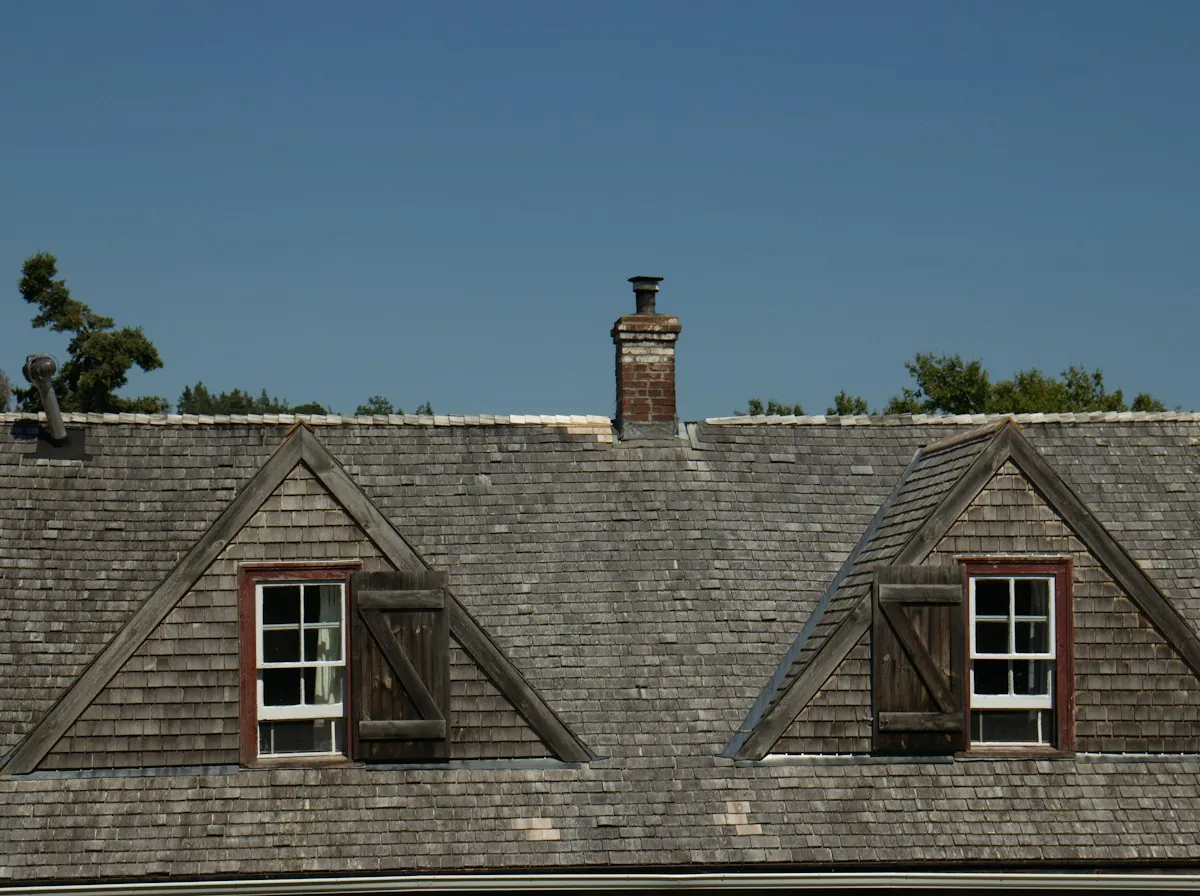
Older stock: board decking, valleys, dormers.
Splits by age. The newer roofs have seen hail already.
Metal country, and the two systems are not the same.
Lake exposure, and houses nobody is in to notice.
Small simple roofs. Price should track area here.
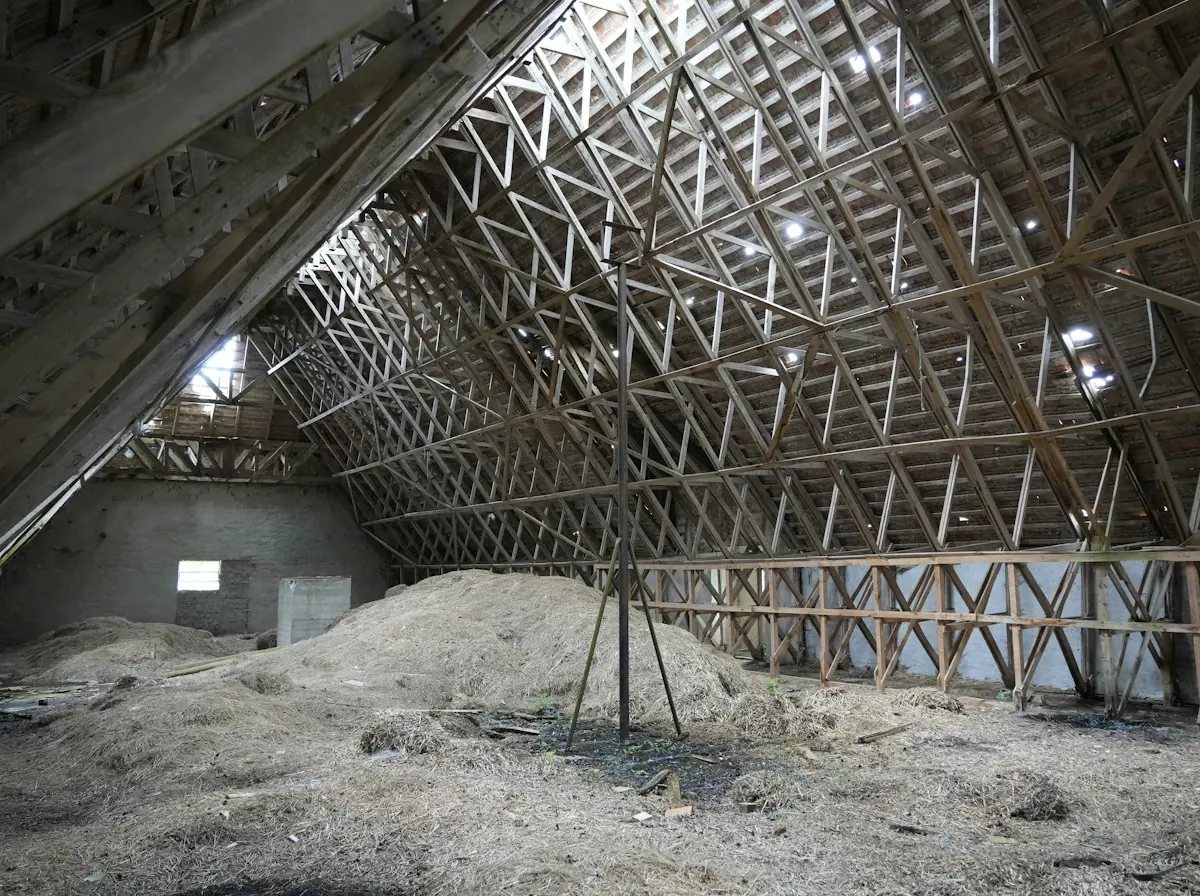
Acreage. The barn is usually the worse roof.
What is worth knowing before you book this.
No. 'Impact resistant' is a phrase anybody can print; UL 2218 Class 4 is a tested rating. Ask for the product name and its class in writing -- and check the ridge, hip and starter products too, because a Class 4 field with standard accessories is not a Class 4 roof.
No, and anybody who says otherwise is overselling it. It resists bruising from the hail sizes that routinely damage a standard shingle, and large enough hail will mark anything. What it buys is a longer service life on a roof that gets hit regularly.
Not from the ground. Hail damage on asphalt is bruising -- the impact fractures the mat under the surface and knocks granules loose -- so it is felt rather than seen. Three pieces of evidence settle it: the slopes checked by hand, the soft metal (vents and flashings dent before shingles bruise), and granule loss in the gutters.
Get a second opinion before you sign anything, and ask whether they are registered with the City of Sherman. A hail line damages thousands of roofs in twenty minutes and brings out-of-town crews into the county for the season. Some are perfectly competent; the check costs you nothing and it is the only one available in a state with no license.
One to three days on site for a typical house, three to seven for metal, and one to two for a small simple roof. Weather moves all of it and we will not dry-in a roof we cannot finish. After a storm line the queue is the longer part rather than the work.
City of Sherman registration stated -- Texas issues no license. Standard and Class 4 priced side by side, not one of them.