Impact Resistant Roof Replacement in Tom Bean from $500. UL 2218 Class 4 at $500 to $800 a square -- and an honest answer about whether it is worth it for you. Free inspection and a written quote.
Worth putting on the house and not the barn. Class 4 earns its premium where a bruised mat means a leak over something that matters; on an outbuilding, the cheaper covering or a metal panel is usually the better use of the money, and we will say so.
Class 4 is the top impact rating under UL 2218. The test is a two-inch steel ball dropped twice on the same spot without cracking the mat, and a product that passes it is built to take hail that would bruise a standard shingle. In North Texas it installs at $500 to $750 per square against $350 to $500 for three-tab.


Class 4 is the top impact rating under UL 2218: a two-inch steel ball dropped twice on the same spot without cracking the mat. In North Texas it installs at $500 to $750 per square against $350 to $500 for three-tab -- a premium of 15 to 25% over standard architectural, or roughly $1,500 to $3,000 on a typical 2,000 square foot home. Count the structures first, because the house is rarely the only roof. Doing the barn and the house on one mobilization is markedly cheaper than two visits, and on an outbuilding a re-screw may do instead of a re-roof entirely.
A heavier, tougher mat that resists the bruising hail causes, generally rated for 25 to 35 years. On a hail-exposed roof that is a genuine difference in service life rather than a marketing one.
Over twenty years in Grayson County the arithmetic favors Class 4 comfortably. Over five it does not. We will ask how long you intend to own the house and answer accordingly, including when the answer is no.
'Impact resistant' is a phrase; UL 2218 Class 4 is a rating. The scope should name the product and its class, along with the ridge, hip and starter products, because a Class 4 field with standard accessories is not a Class 4 roof.
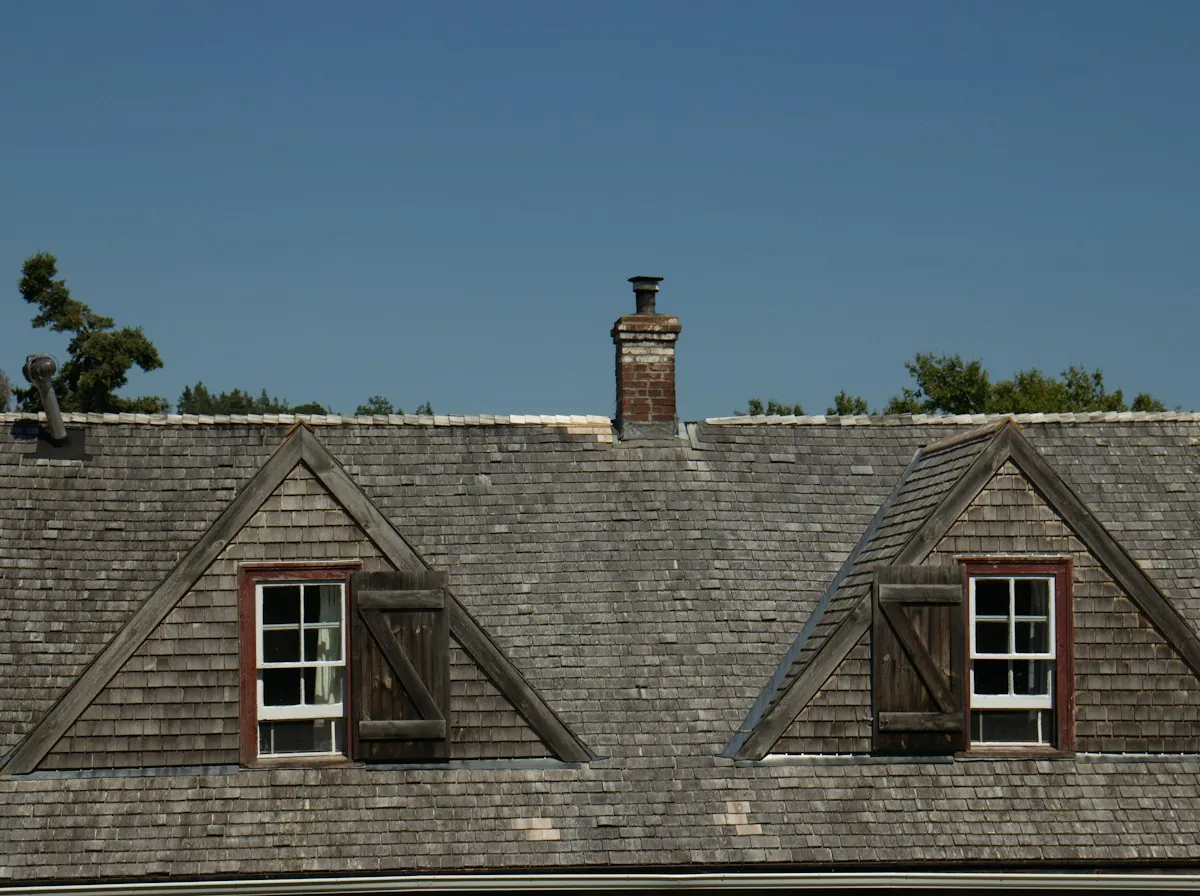
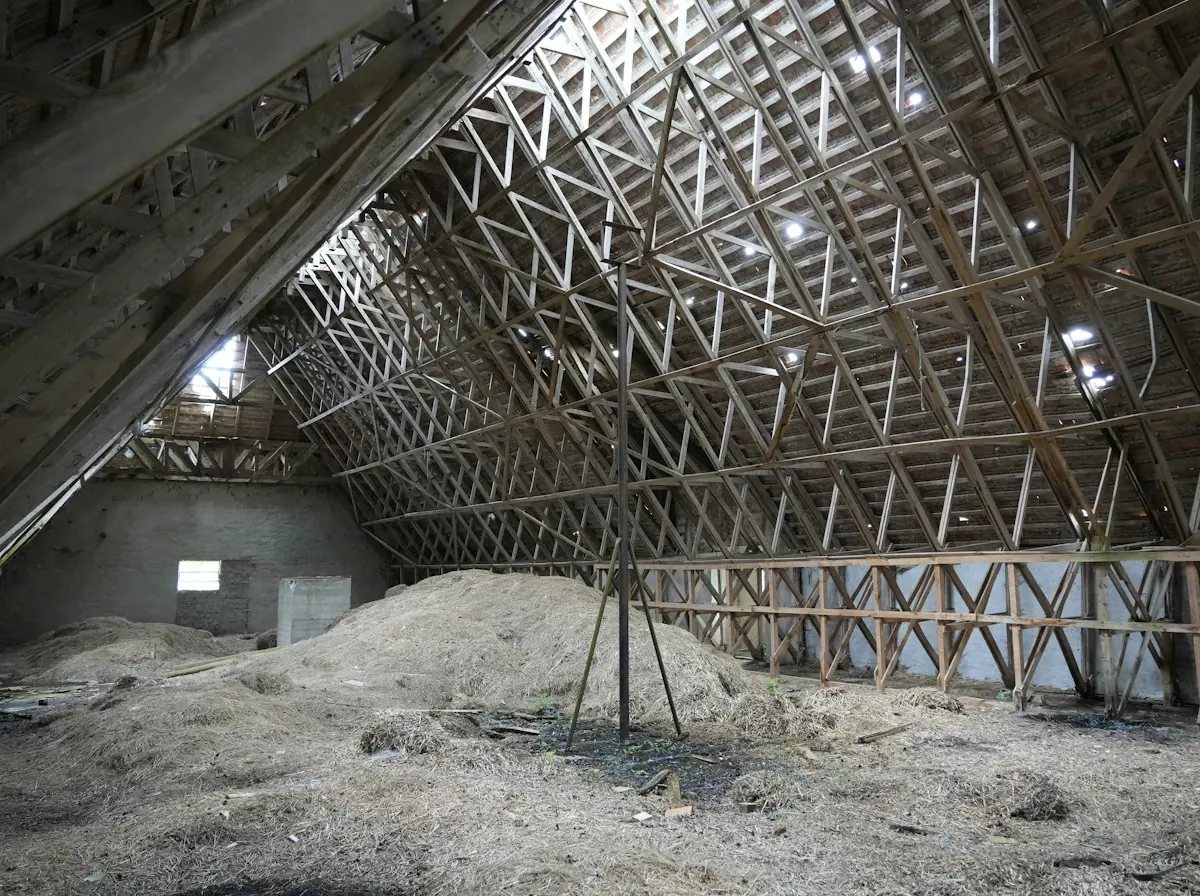
Out here the house is frequently not the only roof on the property, and the barn or workshop is usually the older and worse one. It is also usually metal. Worth counting the structures before pricing anything, because doing them together on one mobilization is markedly cheaper than separate visits.
Tom Bean and Whitesboro are where this site prices metal and outbuildings as often as it prices house roofs.
Worth knowing before you start ringing round, because the queue after a storm line is measured in weeks rather than days.
Roofs in Grayson County do not generally reach the end of their lives quietly. A hail line comes through, and several thousand roofs across the county are damaged in the same twenty minutes -- so every roofer within fifty miles takes those calls in the same week, and out-of-town crews arrive to work the storm. That is when the door-knocking starts and when the queue is longest.
Count the structures first.
On acreage the outbuildings take the same storm as the house and get looked at years later.
Where a rural property has shingle it is usually on the house while the outbuildings are metal, and the two ages rarely match.
On acreage the barn and the workshop are usually already metal and usually exposed-fastener, which means the recurring maintenance is washers rather than panels.
Shallow-pitch metal over machinery sheds and lean-tos is the common case here rather than membrane.
The one place here with a City registration rule.
Older stock: board decking, valleys, dormers.
Splits by age. The newer roofs have seen hail already.
Almost all new build. What did the builder fit?
Metal country, and the two systems are not the same.
Lake exposure, and houses nobody is in to notice.
Small simple roofs. Price should track area here.
What is worth knowing before you book this.
No. 'Impact resistant' is a phrase anybody can print; UL 2218 Class 4 is a tested rating. Ask for the product name and its class in writing -- and check the ridge, hip and starter products too, because a Class 4 field with standard accessories is not a Class 4 roof.
No, and anybody who says otherwise is overselling it. It resists bruising from the hail sizes that routinely damage a standard shingle, and large enough hail will mark anything. What it buys is a longer service life on a roof that gets hit regularly.
No. The inspection is free, the written quote is free, and neither carries an obligation -- including when the answer is that your roof is fine and does not need anything. What we will not do is give you a price from the driveway, in either direction.
No. The Texas Department of Licensing and Regulation licenses electricians and HVAC technicians and does not license roofers, and no other state body does either. So a contractor telling you they are 'licensed in Texas' is describing something that does not exist. What does exist in Sherman is City registration as a Roofing Contractor, with a $300,000 certificate of liability cover naming the City.
It depends on how long you intend to own the house, not on the roof. Class 4 is the top UL 2218 rating -- a two-inch steel ball dropped twice on the same spot without cracking the mat -- and costs 15 to 25% more, roughly $1,500 to $3,000 on a typical home. Over twenty years in this county the arithmetic favors it comfortably. Over five it does not, and we will say so.
City of Sherman registration stated -- Texas issues no license. Standard and Class 4 priced side by side, not one of them.