Hail Damage Roof Replacement in Whitesboro from $0. What hail actually does to a roof, and how to tell real damage from a door-knocker's opinion. Free inspection and a written quote.
Metal changes what you are looking for entirely. It dents rather than bruises, and a dented panel is usually still perfectly watertight -- so the question on a Whitesboro metal roof is whether the coating has been broken and whether any fastener washers were struck, not whether it looks marked.
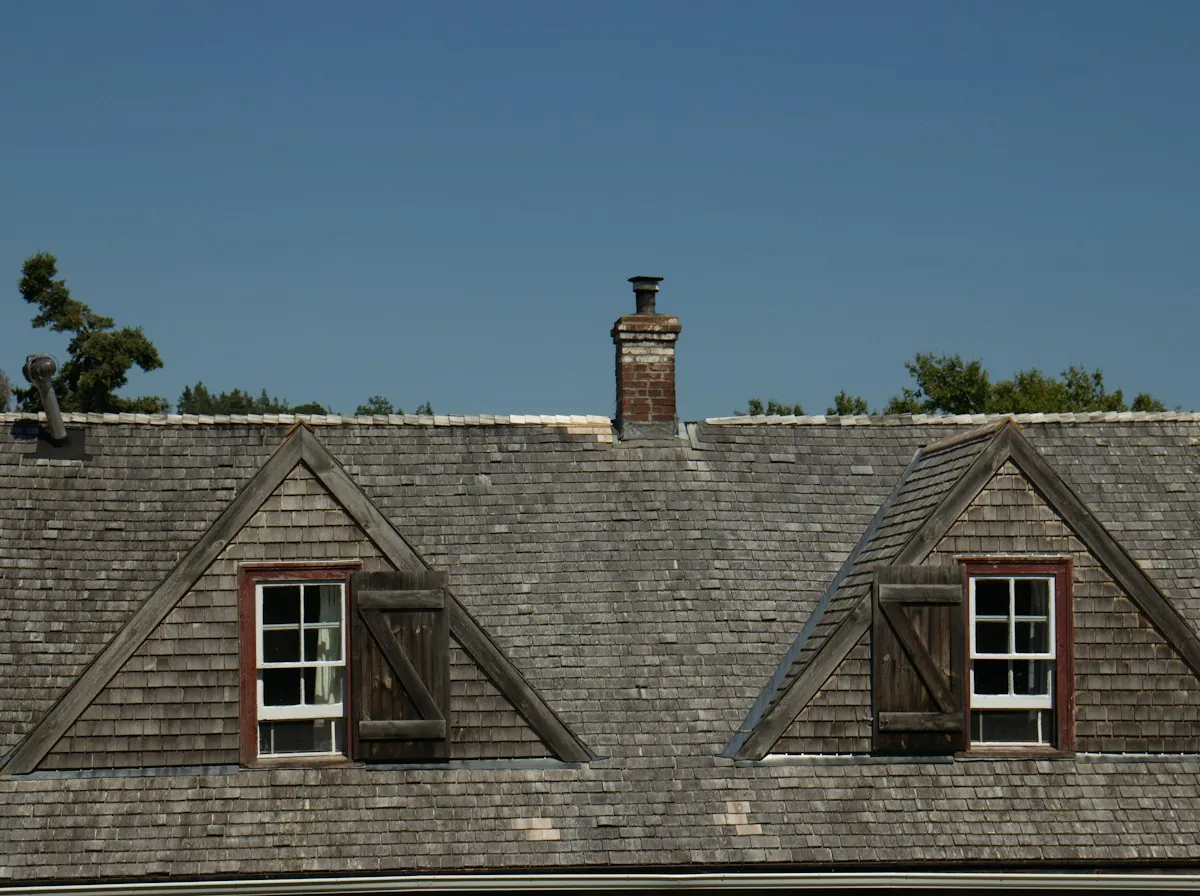
Hail damage on asphalt is not usually a hole. It is bruising: the impact fractures the mat under the surface and knocks granules loose, which leaves a soft spot that ages far faster than the rest of the slope. It can be invisible from the ground and obvious under a hand on the roof.


The inspection is free and the answer might be that nothing happened. Hail damage on asphalt is bruising rather than holes -- the impact fractures the mat under the surface and knocks granules loose -- so it is invisible from the ground and obvious under a hand. If the roof is finished, replacement prices at the same $350 to $800 per square. Metal moves a Whitesboro quote more than anything else, and the two systems are far apart: exposed-fastener is cheaper up front and carries periodic washer replacement, standing seam costs more and asks for almost nothing.
The slopes checked by hand for bruising, the soft metal -- vents, flashings, gutter aprons dent before shingles bruise -- and granule loss in the gutters. Any one alone can mislead; together they settle it.
Many do not damage roofs at all, and we will say so. This market fills with door-knockers after every hail line, and the single most useful thing a roofer can do here is give an honest no.
A two-year-old three-tab bruises more easily than a ten-year-old Class 4. What was fitted matters more than when, which is why the first question is what product is up there.
Metal is far more common out here than in Sherman, and it is worth being precise about which kind. Exposed-fastener panels are screwed through the face with washers that perish and need replacing; standing seam hides its fixings and needs far less attention. They are different products at different prices.
It is the most common reassurance offered in this market and it is hollow by construction. Here is what to ask instead.
The Texas Department of Licensing and Regulation licenses electricians and HVAC technicians. It does not license roofers, and no other state body does either. So there is no license number to check, and a contractor offering one is describing something that does not exist.
It is what gets the work inspected, which is the only independent confirmation you will ever get that the specification you paid for is the one that went on. A contractor who would rather skip it is telling you something.
The Roofing Contractors Association of Texas runs a voluntary program. It is not a license and we will not pretend it is one -- but in a state that requires nothing, what somebody has volunteered for is more informative than what they were made to do.
Metal is far more common out here, and it is worth being precise about which kind before anybody prices anything.
Against metal, the Class 4 argument shifts.
Shingle is the minority covering out here, which matters when you ring round: a contractor whose week is metal may be less interested in your composition roof than in talking you out of it.
This is metal country and the distinction that matters is exposed-fastener against standing seam.
Out here low slope is more often a metal panel at a shallow pitch than a membrane, and the failure mode is completely different: capillary action drawing water back up a lap that is fine at a steeper angle.
The one place here with a City registration rule.
Older stock: board decking, valleys, dormers.
Splits by age. The newer roofs have seen hail already.
Almost all new build. What did the builder fit?
Lake exposure, and houses nobody is in to notice.
Small simple roofs. Price should track area here.
Acreage. The barn is usually the worse roof.
What is worth knowing before you book this.
No. Bruising does not heal and granule loss does not reverse, so the evidence is still there. It is more common than people think to find damage from a storm nobody connected to the roof at the time, particularly on a property that was empty that week.
It means it is worth looking, not that you need one. Hail falls unevenly across a street and two houses fifty feet apart can take very different hits. We will check and tell you honestly, including when the answer is that nothing happened to yours.
Get a second opinion before you sign anything, and ask whether they are registered with the City of Sherman. A hail line damages thousands of roofs in twenty minutes and brings out-of-town crews into the county for the season. Some are perfectly competent; the check costs you nothing and it is the only one available in a state with no license.
Yes, and it is $75 in Sherman for residential or commercial. We pull it. The inspection that comes with it is the only independent confirmation you will get that the specification you paid for is what actually went on the roof, which is worth more than the fee.
No. The inspection is free, the written quote is free, and neither carries an obligation -- including when the answer is that your roof is fine and does not need anything. What we will not do is give you a price from the driveway, in either direction.
City of Sherman registration stated -- Texas issues no license. Standard and Class 4 priced side by side, not one of them.