Flat Roof Replacement in Howe from $350. Porches, additions and small commercial -- where the drainage decides everything. Free inspection and a written quote.
Mostly porch and addition roofs, short runs with marginal fall because nobody designed much into them. Those pond, and in Texas heat a ponded membrane cooks. Correcting the fall is the repair that lasts; re-covering over it is the one that comes back.
Low slope around here is porches, rear additions, carport roofs and small commercial buildings rather than whole houses. What fails on them is almost never the middle of the membrane: it is the outlet, the scupper, the parapet and the upstand where the covering turns up a wall.


Low slope here is porches, rear additions, carport roofs and small commercial rather than whole houses, so it is priced on the area and the number of details rather than from a table. What decides whether it lasts is almost never the membrane -- it is whether the water can leave. Straightforward pricing on generous lots, with one variable: whether the roof has been through a hail season that nobody examined. A mid-age bruised roof and a mid-age sound one are the same age and very different jobs.
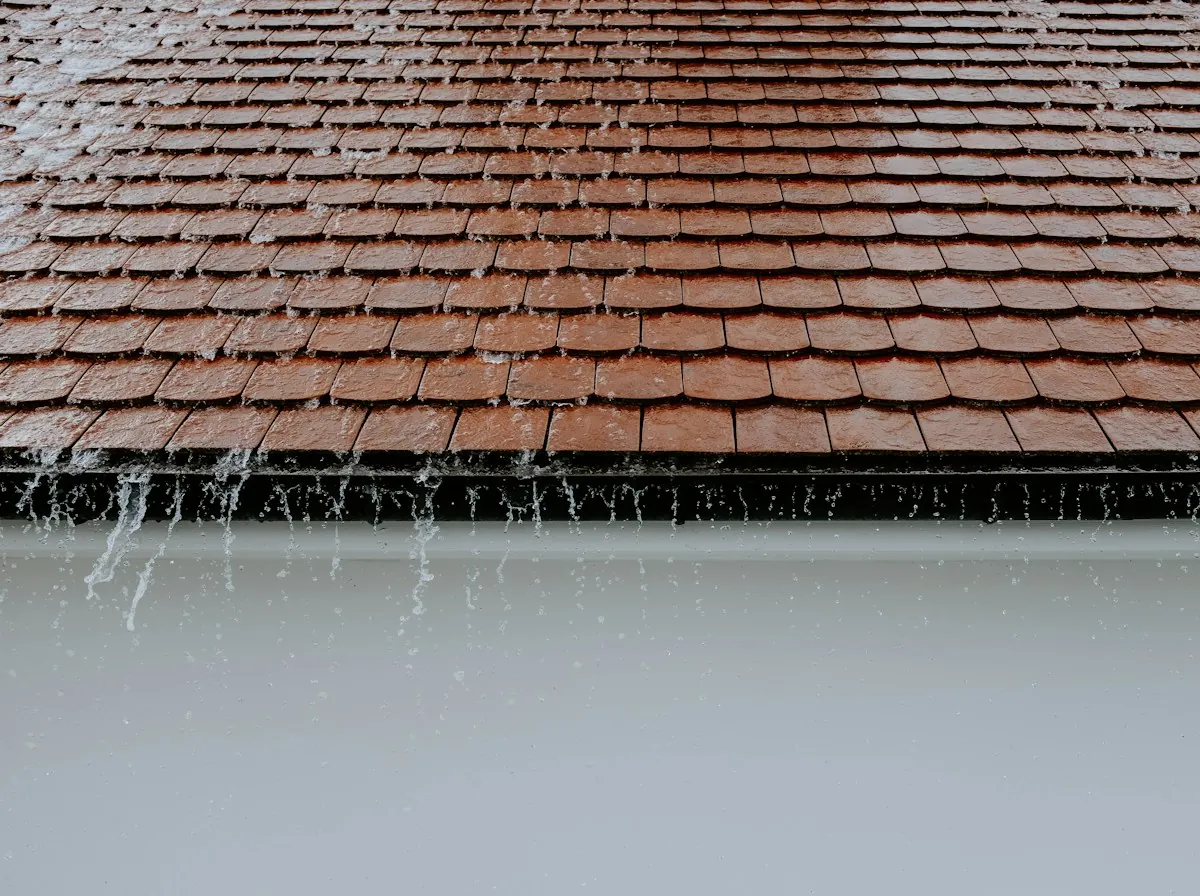
Standing water 48 hours after rain means the fall is wrong or the outlet is blocked. Texas heat then cooks a ponded membrane through a daily expansion cycle. Re-covering over it buys a couple of seasons.
A membrane can be holed by hail that would only bruise a shingle, and the puncture is small enough to go unnoticed until the insulation below is saturated. It is checked for specifically, not just looked over.
Because the ratio of perimeter detail to field is worse. A tiny porch roof is almost entirely edge, and edge is where the labor is.
Roofs here divide neatly by age, and the newer ones are the interesting case: a house built in the last fifteen years has almost certainly been through hail, and whether it took damage is a question about that storm rather than about the roof's age. Generous lots make access straightforward.
It is the most common reassurance offered in this market and it is hollow by construction. Here is what to ask instead.
A roofing contractor working here must be registered with the City as a Roofing Contractor and must carry a $300,000 certificate of liability cover naming the City of Sherman as certificate holder. That is specific, local and checkable, and almost nobody asks about it.
It is what gets the work inspected, which is the only independent confirmation you will ever get that the specification you paid for is the one that went on. A contractor who would rather skip it is telling you something.
The Roofing Contractors Association of Texas runs a voluntary program. It is not a license and we will not pretend it is one -- but in a state that requires nothing, what somebody has volunteered for is more informative than what they were made to do.
Howe divides cleanly by age, and the newer half is the interesting one.
Worth asking on a mid-age Howe roof that has already taken a hail season or two.
Mid-age roofs are where a storm does the most consequential damage, because a bruised mat halfway through its life fails years early rather than at the end.
A fifteen-year-old shingle roof in Howe is usually not finished but is usually bruised somewhere, and the honest question is whether to repair it now and replace it in five years or do it once.
Simpler roof shapes on the newer Howe housing make metal a genuine option rather than a luxury, particularly where a long unbroken run lets a standing seam do what it is good at.
The one place here with a City registration rule.
Older stock: board decking, valleys, dormers.
Almost all new build. What did the builder fit?
Metal country, and the two systems are not the same.
Lake exposure, and houses nobody is in to notice.
Small simple roofs. Price should track area here.
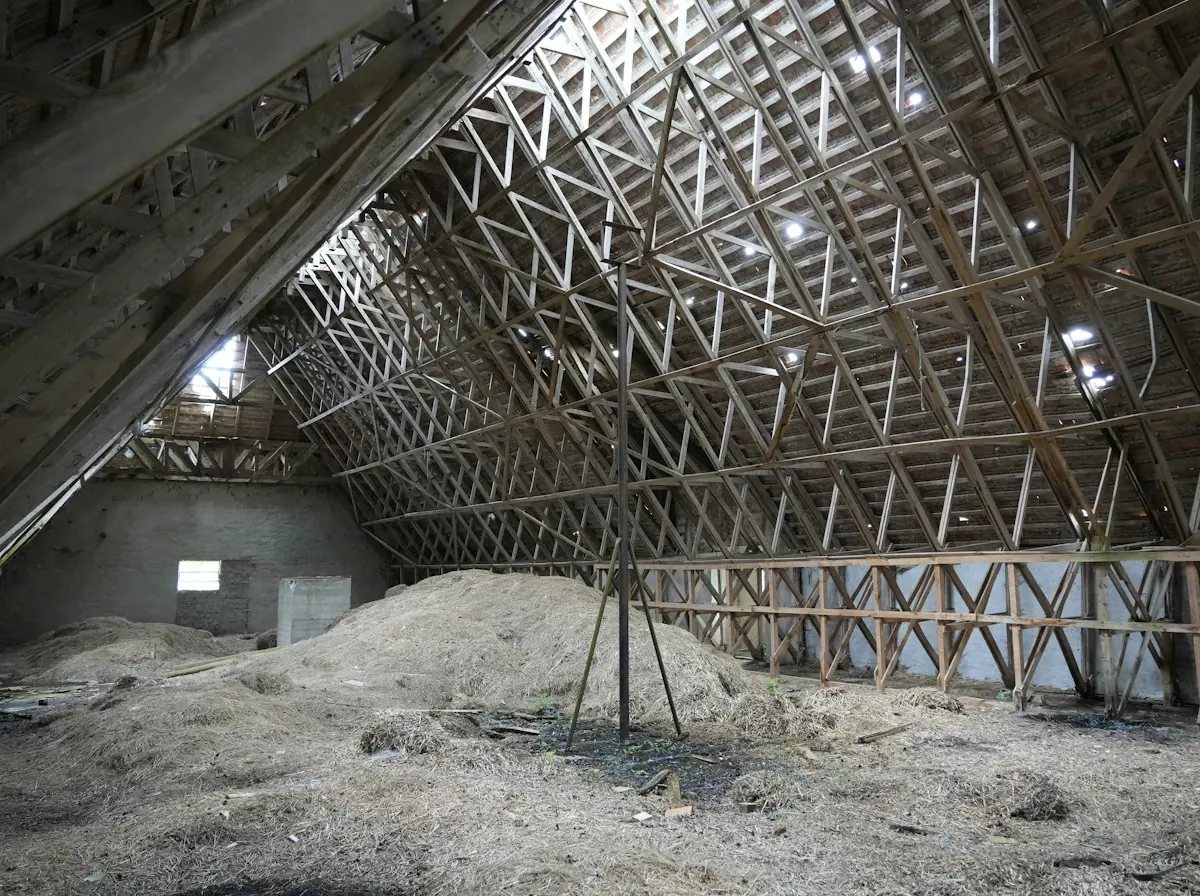
Acreage. The barn is usually the worse roof.
What is worth knowing before you book this.
Water still sitting 48 hours after rain means the fall is wrong or the outlet is blocked, and Texas heat then cooks a ponded membrane through a daily expansion cycle. It is not an emergency this week and it is what turns a membrane job into a deck replacement.
Yes, and that is the specific risk single-ply carries that a shingle does not. Hail that would only bruise asphalt can hole a membrane, and the hole is small enough to go unnoticed until the insulation below is saturated. It gets checked for specifically.
It depends on how long you intend to own the house, not on the roof. Class 4 is the top UL 2218 rating -- a two-inch steel ball dropped twice on the same spot without cracking the mat -- and costs 15 to 25% more, roughly $1,500 to $3,000 on a typical home. Over twenty years in this county the arithmetic favors it comfortably. Over five it does not, and we will say so.
Not from the ground. Hail damage on asphalt is bruising -- the impact fractures the mat under the surface and knocks granules loose -- so it is felt rather than seen. Three pieces of evidence settle it: the slopes checked by hand, the soft metal (vents and flashings dent before shingles bruise), and granule loss in the gutters.
Yes, and it is $75 in Sherman for residential or commercial. We pull it. The inspection that comes with it is the only independent confirmation you will get that the specification you paid for is what actually went on the roof, which is worth more than the fee.
City of Sherman registration stated -- Texas issues no license. Standard and Class 4 priced side by side, not one of them.